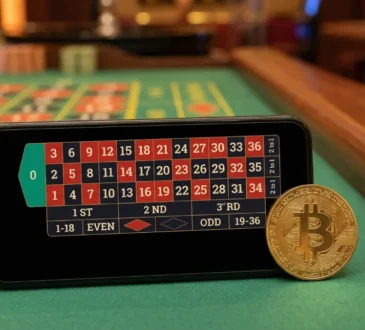


Finding slot machines that accept cryptocurrency payments worldwide
Geographical barriers dissolve when slot platforms accept cryptocurrency, transforming which casinos support crypto for slots? into a global accessibility question rather than a regional limitation. Blockchain-based payments bypass traditional banking restrictions affecting players in dozens of countries where credit card deposits to gaming sites face blocks or prohibitive fees. Players in South America, Southeast Asia, Eastern Europe, and Africa gain access to slot libraries previously restricted by payment processing limitations. Crypto-enabled slots operate identically regardless of your physical location, processing Bitcoin from Buenos Aires the same way they handle deposits from Bangkok. This geographic neutrality creates opportunities for millions of players previously excluded from quality online slot experiences.
Cross-Border Payment Freedom
Traditional banking infrastructure creates invisible walls separating players by nationality and residence. Credit card processors decline gaming transactions in certain jurisdictions, even where online slots operate legally. Wire transfers from specific countries face enhanced scrutiny or outright rejection by international payment networks serving gaming operators. Cryptocurrency eliminates these intermediaries—your Bitcoin wallet in any country connects directly to casino addresses without touching banks that might object to gambling-related transfers. The blockchain processes transactions based on cryptographic validity rather than geographic origin, treating deposits from restricted banking regions identically to those from permissive jurisdictions. This equality matters enormously for players in countries where local banks refuse gaming transactions despite legal ambiguity rather than explicit prohibition.
Regional Considerations Beyond Technology
Regulatory landscapes vary dramatically across jurisdictions, creating complex situations for players navigating legal grey areas. Some countries explicitly permit cryptocurrency gambling with minimal restrictions, others prohibit it through legislation targeting operators or players, while many lack specific laws addressing blockchain-based gaming. Players should research local regulations before committing funds, though enforcement varies wildly even within countries sharing similar legal frameworks. Crypto’s pseudonymous nature provides privacy advantages that traditional payment methods cannot replicate, though this characteristic doesn’t exempt players from legal obligations in their jurisdictions. Language support and customer service availability indicate whether platforms genuinely serve global audiences or primarily target specific regions. Sites offering support across multiple languages with staff available in various time zones demonstrate commitment to worldwide player bases rather than a narrow market focus.
Global Platform Features
Cryptocurrency slot platforms serving international audiences display several distinguishing characteristics:
- Game libraries include titles from diverse regional providers beyond Western developers
- Currency displays show cryptocurrency amounts rather than forcing fiat conversions
- Support teams operate across time zones, covering the Americas, Europe, Asia, and Africa
- Promotional terms avoid country-specific restrictions common in traditional sites
- Interface languages extend beyond English to Spanish, Portuguese, Russian, Japanese, and others
Platforms accepting deposits from 100+ countries showcase technical infrastructure supporting truly global operations. Payment processing operates continuously through automated blockchain networks that never close for weekends or holidays, unlike traditional banking, which delays international transfers during non-business hours. This 24/7 reliability matters particularly for players in regions where banking infrastructure operates limited schedules or international wire transfers require days to clear through correspondent banking networks.
Geographic location no longer determines access to quality slot gaming when blockchain removes traditional barriers. Cryptocurrency enables participation that conventional payment methods struggle to replicate across diverse jurisdictions. Players worldwide compete on equal technological footing regardless of local banking infrastructure limitations.