
Bingo, a game often associated with bingo halls and late-night fundraisers, has been a mainstay of social gatherings for centuries. Despite its simple rules and reliance on chance, the game has an intriguing depth that appeals to people across all walks of life. Whether played in a crowded community hall, a quiet living room, or online from the comfort of home, Bingo continues to captivate millions worldwide. This article delves into the history, mechanics, variations, and social impact of Bingo, exploring why this deceptively simple game has endured for so long.
A Brief History of Bingo: From Lottery to Global Phenomenon
The origins of Bingo can be traced back to the 16th century in Italy, where a similar game, known as “Lo Giuoco del Lotto d’Italia,” was played as a form of lottery. It was a popular game among the Italian aristocracy and quickly spread to other European countries. By the early 20th century, the game found its way across the Atlantic to America, where it underwent significant transformation.
The modern version of Bingo was popularized in the United States by Edwin S. Lowe, a New York toy manufacturer. In 1929, Lowe witnessed a similar game being played at a carnival, where players would mark off numbers on cards as they were called. Realizing its potential, he rebranded the game, initially calling it “Beano.” During a game, a player accidentally shouted “Bingo!” instead of “Beano,” and the name stuck. The game rapidly gained popularity, first in small community halls and then in larger venues. Its simplicity, excitement, and social nature made it an instant hit.
The Basics of Bingo: How It’s Played
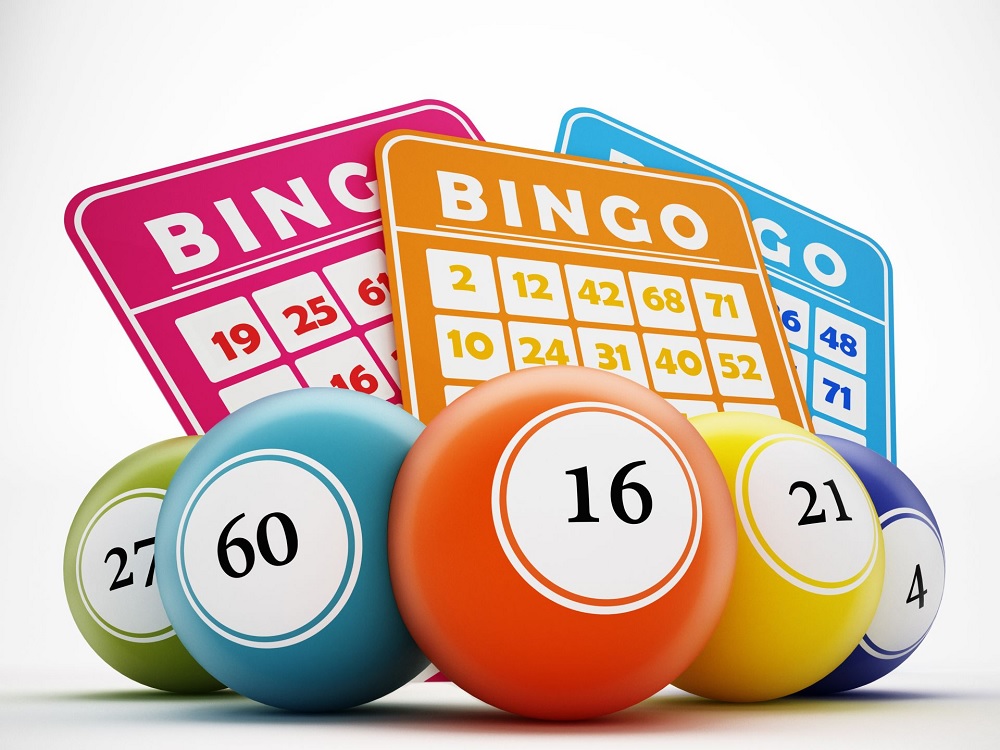
At its core, Bingo is a straightforward game that combines the thrill of chance with the satisfaction of pattern recognition. Players are given cards containing a 5×5 grid of numbers. The grid typically includes 24 numbers, with the center space designated as a free spot. Numbers are drawn at random from a pool of 75, and players mark off any number that matches those called out.
The objective is to be the first player to complete a specific pattern on the card, such as a full horizontal, vertical, or diagonal line. In some variations, players aim to complete more complex shapes or patterns, adding an element of strategy and unpredictability. Once a player has completed a pattern, they shout “Bingo!” to claim victory. This simplicity is part of the charm, but there’s more to Bingo than just luck.
The Social Appeal of Bingo: Connecting People Across Generations
One of Bingo’s greatest strengths is its ability to bring people together. Whether played in person at a bingo hall or online with friends and family, Bingo fosters a sense of community. This is particularly true in charity bingo events, where participants not only enjoy the thrill of the game but also support good causes. Bingo halls, often packed with both young and old players, create an environment where individuals from different generations can interact, share stories, and bond over the game.
In smaller, more intimate settings, such as family gatherings, Bingo serves as a low-pressure, inclusive game that encourages participation from everyone, regardless of age or skill level. It’s a social equalizer that doesn’t require any special abilities—just a sense of fun and an eye on the numbers. Online Bingo, with its interactive chat rooms and global reach, takes this sense of connection to new heights, allowing people from all over the world to share in the excitement.
Different Variations of Bingo: A World of Possibilities
While traditional 75-ball Bingo remains the most widely played version, the game has undergone numerous variations to suit different tastes and formats. These adaptations cater to a range of preferences, offering players different ways to enjoy the game.
-
75-Ball Bingo: The most common version in the United States, this format uses a 5×5 grid and involves completing a horizontal, vertical, or diagonal line.
-
90-Ball Bingo: A version popular in the United Kingdom, 90-ball Bingo uses a 9×3 grid, with players aiming to complete a single row, two rows, or a full card. This variation tends to offer more substantial prizes for those who complete two or three lines.
-
Speed Bingo: A faster-paced version that increases the intensity of the game. The numbers are called more quickly, and players must stay alert and focused.
-
Pattern Bingo: Rather than just aiming for lines, players in this version must complete specific patterns, such as the letter “X,” a square, or other creative designs. This adds a layer of strategy, as players must concentrate on completing complex shapes.
Each of these variations adds something unique to the game, ensuring that there is a version of Bingo for everyone.
Bingo and Luck: Can You Influence the Outcome?
While Bingo is largely a game of luck, there are a few elements where skill and strategy come into play. For example, playing multiple cards increases your chances of winning by giving you more opportunities to match the drawn numbers. However, there is a fine line between increasing your chances through multiple cards and overwhelming yourself with too many to manage effectively.
Another element of strategy comes in choosing the right game. Online platforms often feature different styles of Bingo, some with fewer participants and therefore better odds of winning. Some seasoned players believe that certain times of day—when fewer players are online—might give them a slight advantage. While these strategies may increase your odds slightly, the truth is that Bingo will always remain a game of chance at its core.
The Evolution of Bingo: From Halls to Online Platforms
Bingo’s transition to the digital age has made the game more accessible than ever. Online Bingo platforms now host millions of players worldwide, offering a convenient and engaging way to play from home. The evolution of technology has enhanced the experience, with platforms offering live-streamed games, interactive features, and even virtual prizes.
Moreover, online Bingo has introduced new variations of the game, including themed Bingo rooms, where players can experience a different aesthetic or narrative while playing. The ability to chat with other players and form virtual communities has added a new dimension to the traditional social aspect of Bingo.
Despite these technological advancements, the core elements of the game remain unchanged, ensuring that Bingo’s rich history and communal spirit are preserved. Whether in a traditional bingo hall or on an online platform, the thrill of marking off numbers, the rush of anticipation, and the joy of social interaction remain central to the Bingo experience.
Why Bingo Continues to Thrive: Timeless and Universally Loved
Bingo’s enduring popularity can be attributed to several key factors. First, it’s a game that requires no particular skill or experience, making it accessible to all ages and backgrounds. Second, it’s deeply social, encouraging interaction and community bonding. Whether played in a bustling hall, at a family reunion, or via an online platform, Bingo provides a sense of excitement and connection that few other games can offer. Finally, the game’s simplicity combined with its potential for large-scale jackpots makes it an enticing option for anyone looking for a bit of fun and a chance at a big win.
In an age where technology often isolates people from each other, Bingo remains a timeless reminder of the joy of coming together to share in a collective experience. As it continues to evolve and adapt, Bingo’s charm and allure show no signs of fading, ensuring that this beloved game will continue to captivate generations to come.