
Bingo Unveiled: Exploring the Timeless Charm, Social Essence, and Modern Evolution of a Classic Game
Introduction: The Enduring Appeal of Bingo
Bingo—a game of chance, community, and anticipation—has long held a special place in popular culture. Its simple rules and inclusive nature have made it accessible across generations, transforming from humble beginnings into a global pastime embraced both in local halls and on sophisticated digital platforms. Far from being merely a game of luck, bingo reflects social connection, nostalgia, and even the evolving landscape of entertainment. Understanding its enduring charm requires a journey into its history, cultural significance, and contemporary reinvention.
The Origins of Bingo: From Italy to the World
The roots of bingo can be traced back to 16th-century Italy, where a lottery game called “Lo Giuoco del Lotto d’Italia” flourished. This early form of number drawing was popular among citizens and bore a resemblance to the mechanics we recognize today. The game traveled across Europe, evolving as it went, until it reached France in the 18th century as “Le Lotto,” where it became a popular pastime among aristocrats and commoners alike.
Bingo as we know it today took shape in the United States during the early 20th century. A toy salesman named Edwin Lowe is credited with popularizing the game in 1929 after observing a variant called “Beano,” played at county fairs. Players would mark cards with beans as numbers were called. The story goes that when a player accidentally shouted “Bingo!” instead of “Beano,” the name stuck. From there, bingo halls began to spring up across America, especially gaining traction in churches and community centers as a fun, social fundraising activity.
The Social Fabric of Bingo: Community and Connection
One of the most compelling reasons for bingo’s lasting popularity is its role as a social catalyst. Unlike solitary games, bingo encourages interaction, camaraderie, and shared excitement. For decades, bingo halls have served as gathering places for people of all ages, particularly for seniors seeking both entertainment and companionship.
Key social benefits of bingo include:
-
Inclusivity: The simple mechanics require no prior skill or strategy, making it accessible to a wide audience regardless of age or background.
-
Shared Experience: The collective anticipation of waiting for a number to be called fosters a unique sense of community.
-
Charitable Engagement: Many bingo games serve fundraising purposes, strengthening bonds within communities and supporting worthwhile causes.
-
Mental Stimulation: For older adults, bingo offers cognitive engagement by encouraging quick recognition and attention to detail.
Bingo’s ability to bring people together transcends cultural and generational boundaries, reinforcing its place not only as a game but as a social institution.
The Mechanics of Bingo: Simple Yet Captivating
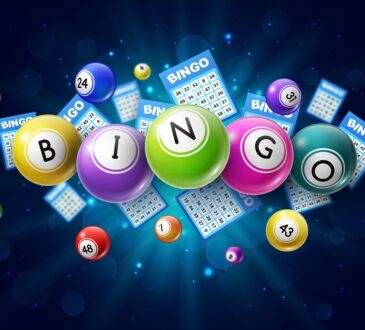
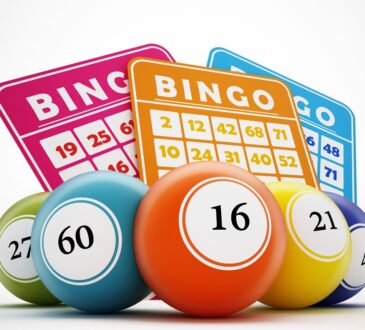
At its core, bingo is elegantly straightforward. Players receive cards with grids of numbers. As numbers are drawn at random—historically from a spinning cage or modern random number generators—players mark their cards accordingly. The objective varies depending on the version being played, but typically it involves completing a line, a pattern, or a full card.
Some key variants of bingo include:
-
Traditional 75-Ball Bingo: Common in the United States, cards have a 5×5 grid, with the center space usually marked “free.” Players aim to complete horizontal, vertical, or diagonal lines.
-
90-Ball Bingo: Popular in the UK and parts of Europe, cards feature 27 squares arranged in three rows and nine columns. Winning patterns can include one line, two lines, or a full house.
-
Online Bingo: Digital platforms have introduced innovative variations, including themed games, chat features, and interactive bonuses, all while preserving the fundamental thrill of chance.
The beauty of bingo lies in its accessibility, allowing both seasoned players and novices to share the same excitement without complicated rules.
Bingo in the Digital Age: Reinvention and Expansion
As with many traditional games, bingo has undergone significant transformation in the age of the internet. Online bingo platforms have emerged as thriving communities, offering convenience and variety previously unimaginable.
Notable features of digital bingo include:
-
Accessibility: Players can participate anytime, anywhere, removing geographical and time constraints.
-
Enhanced Interaction: Chat rooms and social features replicate the communal atmosphere of physical halls, fostering connection among virtual participants.
-
Variety of Themes and Formats: From classic layouts to themed games inspired by movies, holidays, or pop culture, digital bingo appeals to diverse tastes.
-
Bonuses and Promotions: Online operators often provide welcome bonuses, loyalty programs, and seasonal events to keep players engaged.
Despite these innovations, online bingo faces challenges, including concerns about addiction and the loss of tactile, face-to-face interaction. Nonetheless, the digital realm has breathed new life into bingo, ensuring its relevance for future generations.
The Psychological and Emotional Dimensions of Bingo
Beyond its social and entertainment value, bingo carries psychological benefits. The game’s pace offers an ideal balance between excitement and relaxation, providing players with a healthy outlet for stress relief.
Psychological factors at play include:
-
Anticipation and Reward: The random nature of number calls keeps players engaged, with the possibility of winning creating bursts of dopamine.
-
Focus and Cognitive Engagement: Tracking multiple numbers improves attention and memory skills, particularly valuable for older adults.
-
Sense of Achievement: Winning, even modestly, can boost confidence and mood.
-
Community Support: For many, the social aspect of bingo combats loneliness and fosters a sense of belonging.
This combination of mental stimulation and emotional comfort underscores bingo’s enduring appeal.
Bingo as a Cultural Phenomenon
Around the world, bingo holds unique cultural significance. In the United States, bingo is often synonymous with charitable events and community fundraisers. In the UK, it is woven into the fabric of working-class leisure, with bingo halls once being vibrant social hubs. In parts of Asia and Latin America, localized versions have emerged, blending traditional gaming customs with the essence of bingo.
Bingo’s cultural adaptability speaks to its universal appeal. It is not merely a game of numbers but a mirror reflecting local customs, social values, and community dynamics.
Conclusion: The Lasting Legacy of Bingo
Bingo’s journey from Renaissance Italy to contemporary online platforms illustrates its remarkable ability to evolve while preserving its core identity. Its simplicity, social warmth, and inclusive nature have endeared it to millions worldwide. More than just a game of chance, bingo embodies the timeless human craving for connection, excitement, and shared joy.
As the world becomes increasingly digital and fast-paced, bingo stands as a gentle reminder that sometimes, the simplest pleasures—marked by a call of a number and the shout of a “Bingo!”—can bring people together like nothing else. Whether in a bustling hall or a virtual room, bingo remains a celebration of luck, community, and the small thrills of life.: